
Books to Peel
Peel the author and tap a cover to peel the book
Peel me a Book
Kurt Vonnegut
"Laughter and tears are both responses to frustration and exhaustion"
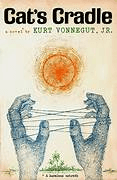

Cat’s Cradle
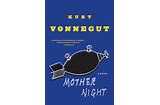
Mother Night
Peel the Author
An American novelist, essayist, and countercultural icon, Kurt Vonnegut (1922–2007) was born in Indianapolis and survived the firebombing of Dresden as a prisoner of war—an experience that marked the moral core of his work. He began as a science fiction writer and became something stranger: a darkly comic chronicler of 20th-century disillusionment.
Vonnegut wrote with tragicomic brilliance, folding time travel, bureaucracy, absurd religions, and apocalyptic inventions into stories that expose both the idiocy and tenderness of being human. His prose is deceptively simple, looping and looping again on questions of free will, justice, war, and personal responsibility. He was also a lifelong humanist who believed in kindness, curiosity, and fart jokes.
His books are taught in high schools and banned in high schools. That’s probably all you need to know.
Voice
“We are what we pretend to be, so we must be careful about what we pretend to be.”
The warning sounds casual—almost funny—but carries the weight of self-invention, complicity, and moral ambiguity. Vonnegut’s genius lies in this very tension: offering you wisdom as if it were a joke, and leaving you laughing only to realise it hurt.
Tone
deadpan · antic · elegiac · sly
Mood
irreverent · cosmic · satirical · humane
Peel the layers
Voice
“We are what we pretend to be, so we must be careful about what we pretend to be.”
The warning sounds casual—almost funny—but carries the weight of self-invention, complicity, and moral ambiguity. Vonnegut’s genius lies in this very tension: offering you wisdom as if it were a joke, and leaving you laughing only to realise it hurt.
Author's Peel
Peel the author and tap a cover to peel the book
Books to Peel
Peel the author and tap a cover to peel the book
Peel me a Book
Kurt Vonnegut
"Laughter and tears are both responses to frustration and exhaustion"
Cat’s Cradle
Mother Night
Peel the Author
An American novelist, essayist, and countercultural icon, Kurt Vonnegut (1922–2007) was born in Indianapolis and survived the firebombing of Dresden as a prisoner of war—an experience that marked the moral core of his work. He began as a science fiction writer and became something stranger: a darkly comic chronicler of 20th-century disillusionment.
Vonnegut wrote with tragicomic brilliance, folding time travel, bureaucracy, absurd religions, and apocalyptic inventions into stories that expose both the idiocy and tenderness of being human. His prose is deceptively simple, looping and looping again on questions of free will, justice, war, and personal responsibility. He was also a lifelong humanist who believed in kindness, curiosity, and fart jokes.
His books are taught in high schools and banned in high schools. That’s probably all you need to know.
Voice
“We are what we pretend to be, so we must be careful about what we pretend to be.”
The warning sounds casual—almost funny—but carries the weight of self-invention, complicity, and moral ambiguity. Vonnegut’s genius lies in this very tension: offering you wisdom as if it were a joke, and leaving you laughing only to realise it hurt.
Tone
deadpan · antic · elegiac · sly
Mood
irreverent · cosmic · satirical · humane
Peel the layers
Voice
“We are what we pretend to be, so we must be careful about what we pretend to be.”
The warning sounds casual—almost funny—but carries the weight of self-invention, complicity, and moral ambiguity. Vonnegut’s genius lies in this very tension: offering you wisdom as if it were a joke, and leaving you laughing only to realise it hurt.
Author's Peel
Peel the author and tap a cover to peel the book